


5 Personal Alarm Tests Families Should Never Skip

Personal alarm tests should be part of the routine whenever a family relies on a device to help an older parent, person with disability or loved one call for help. Buying the alarm is only step one. You also need to know the SOS button works, the right emergency contacts receive the alert, the location makes sense and the battery is ready. A calm practice run can make the device feel more familiar for everyone. It shows the wearer what will happen if they ever need their personal alarm for real, while giving family members a chance to spot small setup issues before an urgent situation brings them to light.
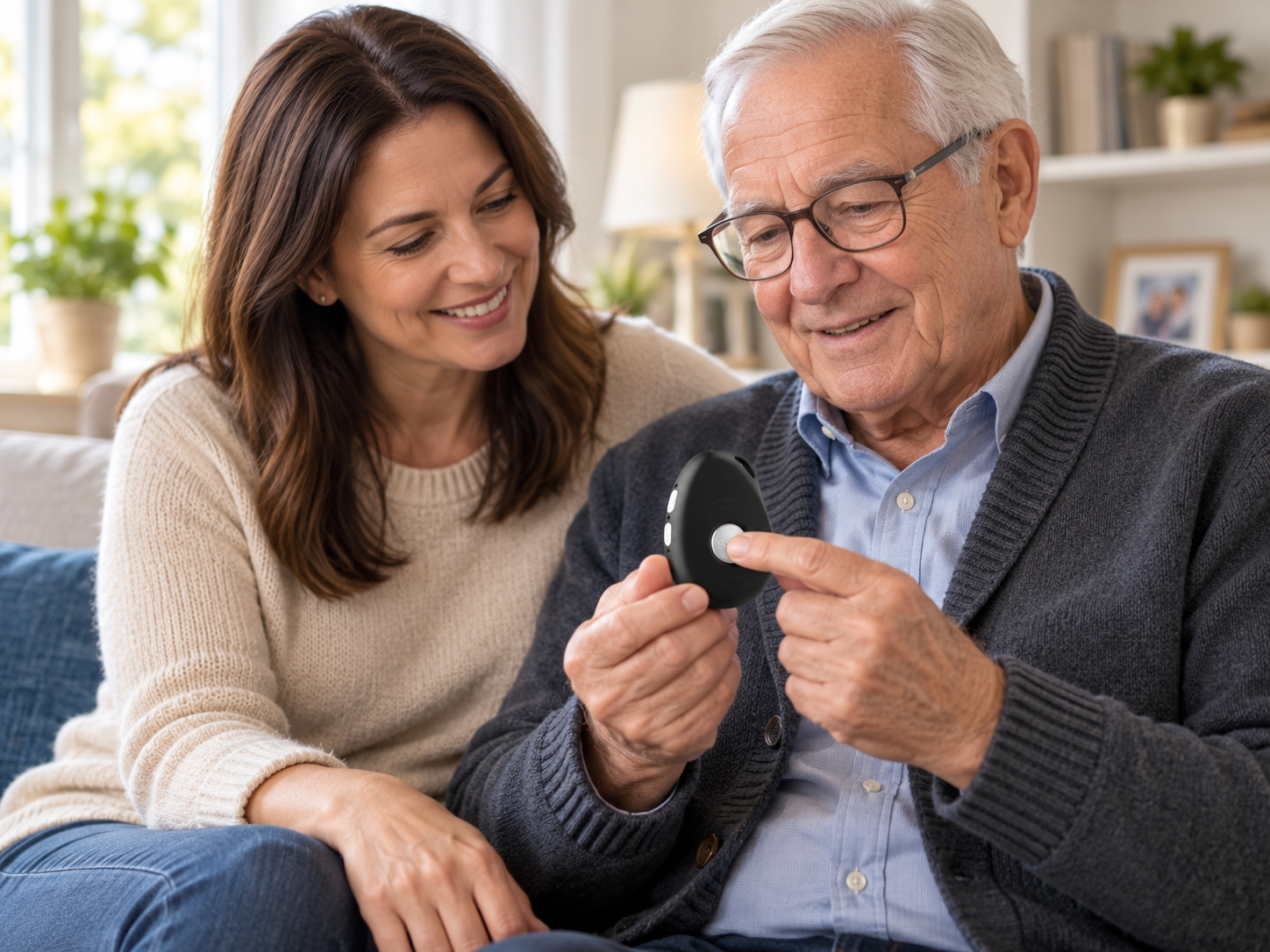
TLDR
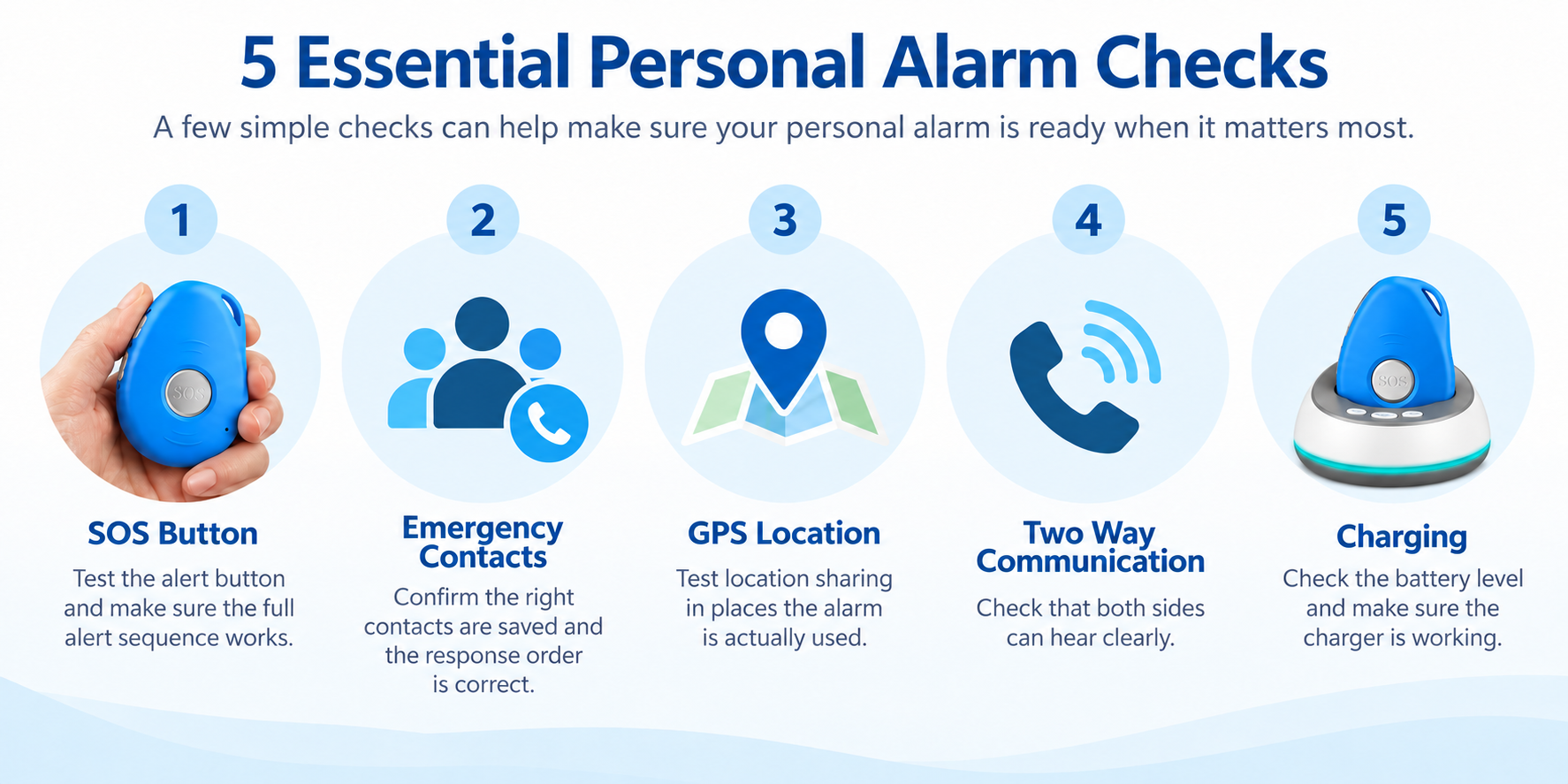
The most important personal alarm tests are checking the SOS button, confirming the right emergency contacts, testing GPS in real locations, making sure two way communication is clear and keeping the battery charged. Families should also understand how professional monitoring works before running a test, and nobody should deliberately fall to test automatic fall detection. A simple planned check can uncover small setup problems early and help the wearer feel more confident using their personal alarm if they ever need it.
1 Test the SOS Button and Full Alert Sequence
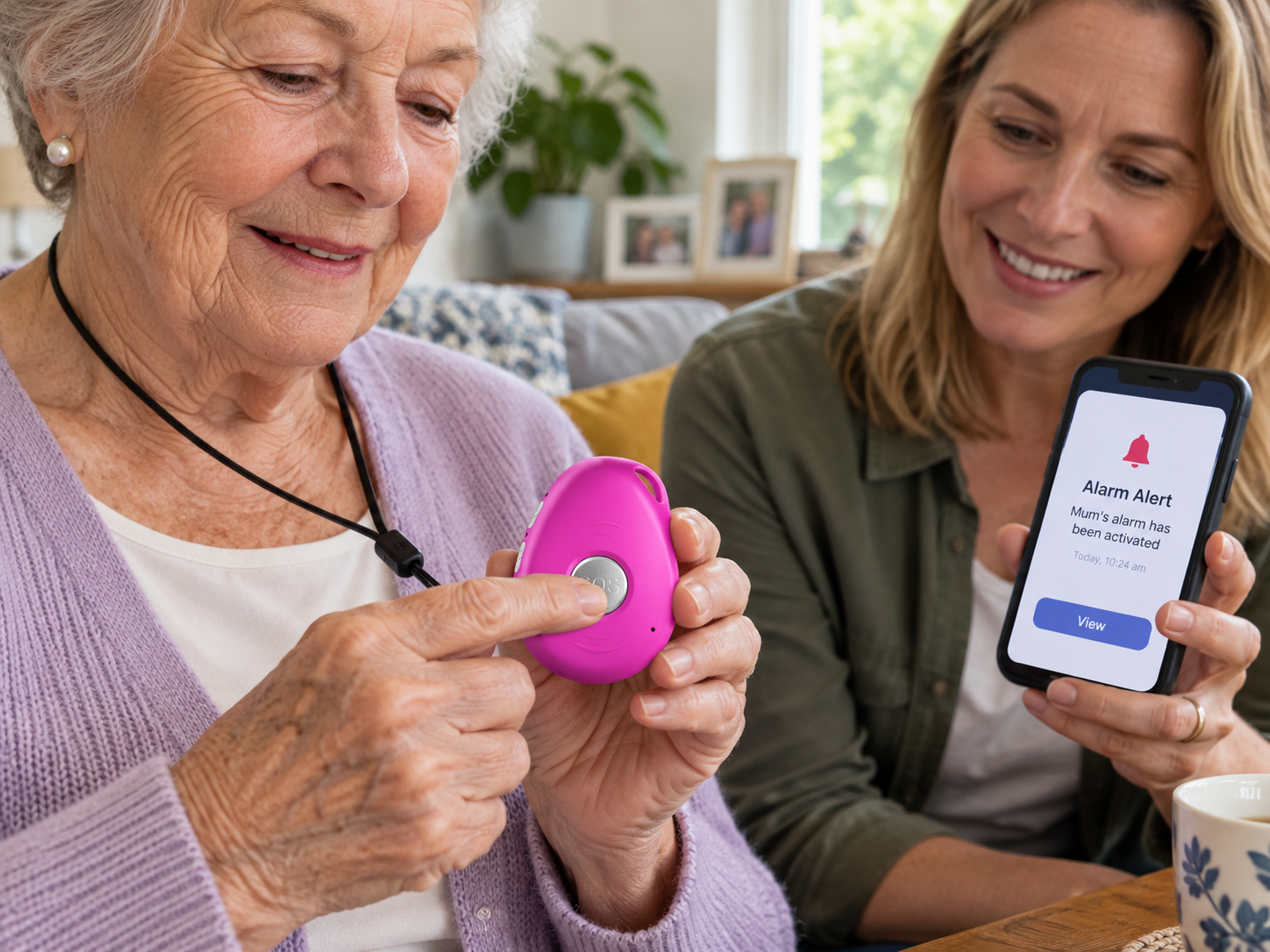
The first of these personal alarm tests is the most obvious, yet families sometimes stop too early. If the alarm is connected to 24/7 professional monitoring, contact the monitoring provider first and follow its testing procedure so the alert is not mistaken for a genuine emergency. For self monitored setups, tell each emergency contact it is only a test, then activate the SOS button the same way the wearer would in a real situation. With the SureSafeGO 4GX personal medical alarm, an activation can send stored contacts an SMS with a Google Maps location link and begin calling the first SOS contact. During your practice, check the whole sequence. Did the text arrive? Did the call connect? Could both people hear one another? A full test helps make the personal alarm familiar before it is needed.
 2 Check Every Emergency Contact and Response Plan
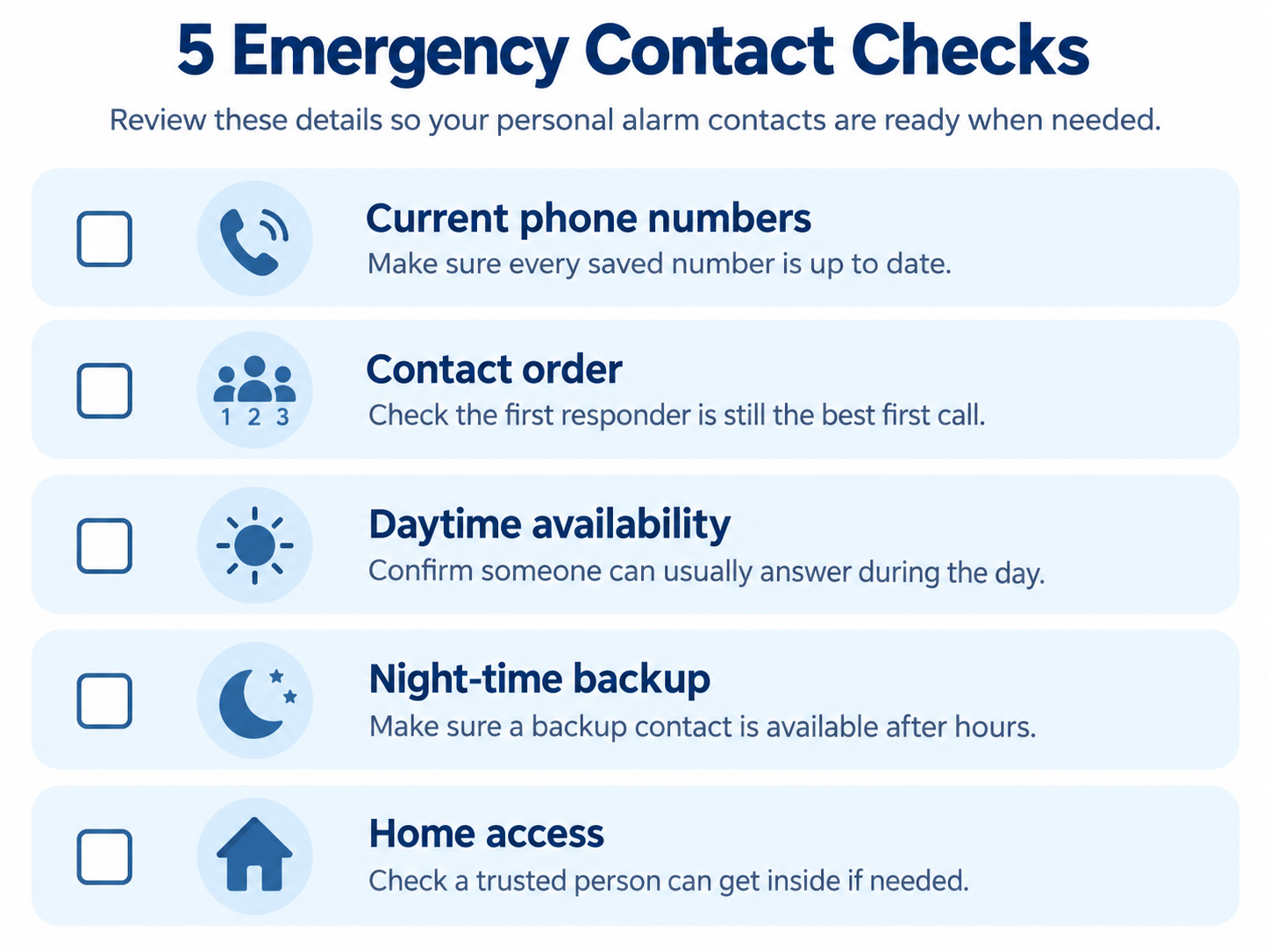
A working alarm is only half the story if the emergency contacts behind it are out of date or nobody is sure who should respond first. Phone numbers change, people travel and family members may move away. During your test, confirm every saved number and the order in which contacts should be called. Then go one step further. Who is most likely to answer during the day? Who can help overnight? Does someone have access to the home if the door is locked? We can program emergency contacts before dispatch, help add them after the device arrives, or you can set them up yourself using the supplied guide. Rechecking those details after a family or care change keeps the personal alarm response plan useful.
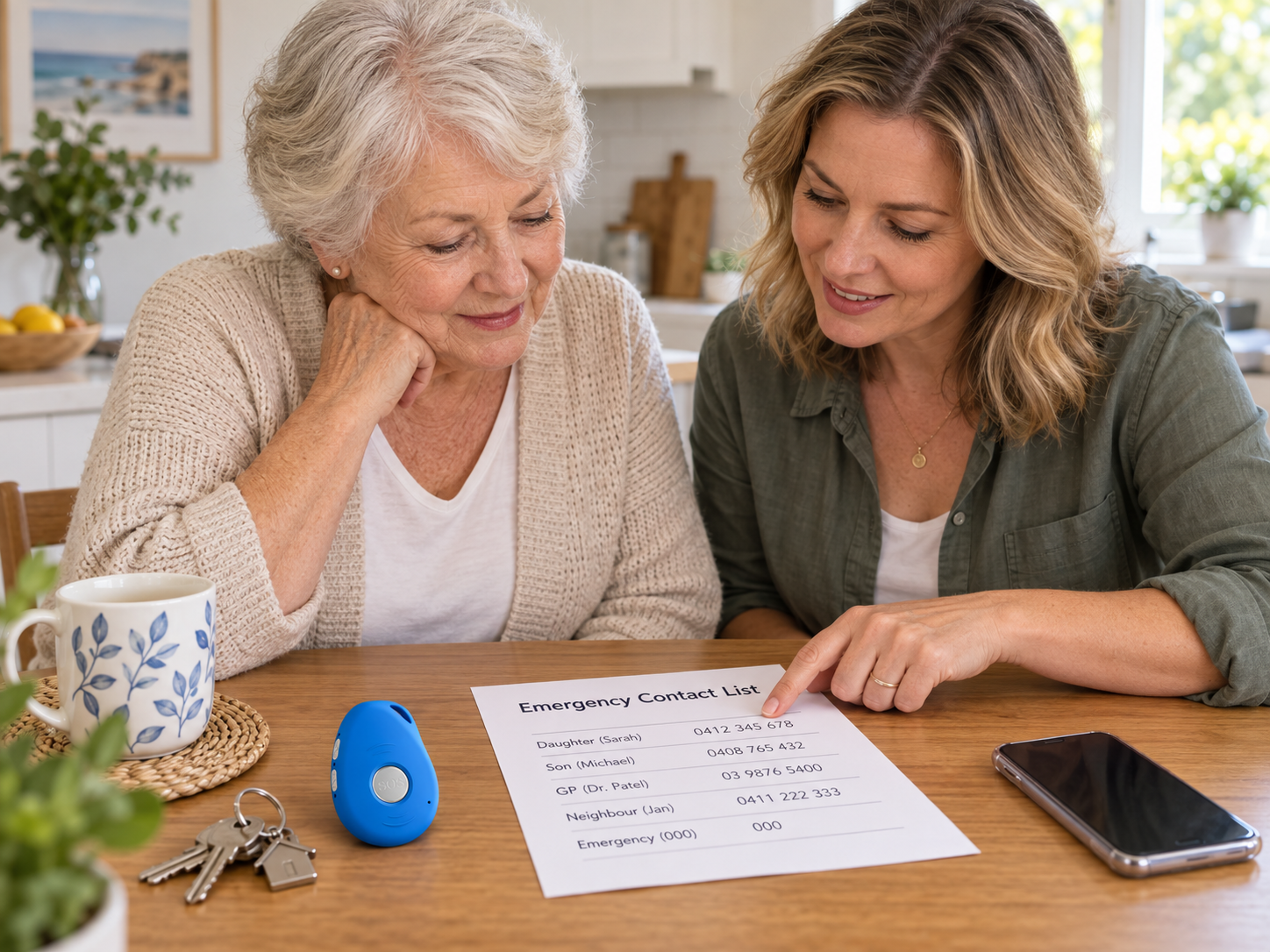 A Quick Contact Check
| Check | What to confirm |
| Contact numbers | Every saved mobile number is current |
| Contact order | The first person is still the best first responder |
| Availability | Someone can usually answer at different times |
| Home access | A trusted responder can get inside if needed |
| Escalation | Everyone knows when urgent help or 000 is appropriate |
 3 Test GPS Where the Alarm Is Actually Used
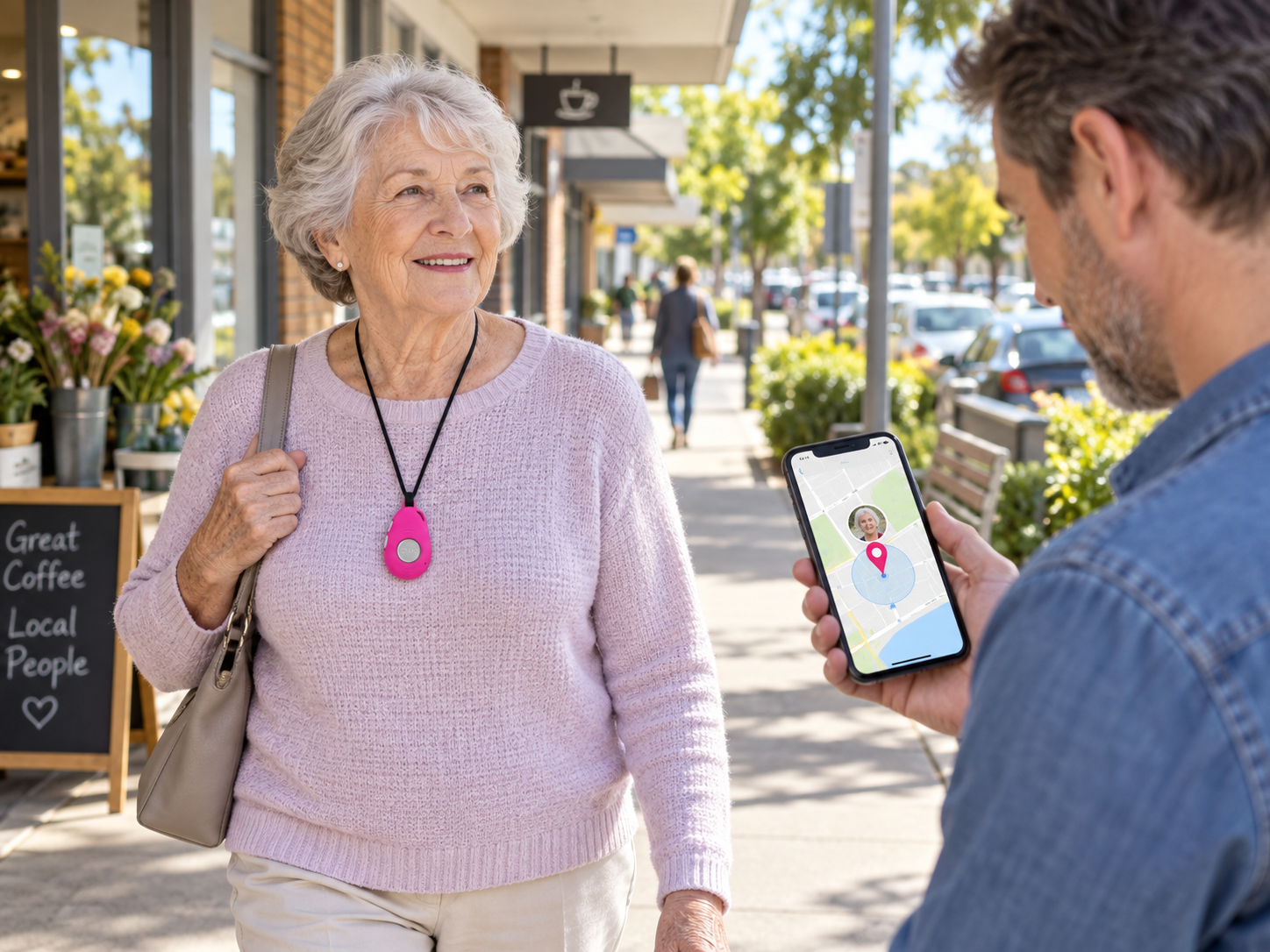
If your loved one uses a GPS personal alarm, do not test the location feature only while everyone is standing in the lounge room. Try it in places that reflect everyday life, such as the garden, driveway or another normal spot outside the house. If the wearer regularly walks to local shops or visits a neighbour, a planned test away from home can show the family what the location message looks like. The SureSafeGO 4GX can send a Google Maps location link when the alarm is activated, while its find me function can return the device location when a PING request is sent. Mobile signal also matters, so testing in places the wearer actually visits can reveal where coverage may be weaker. The key is knowing how to receive, open and interpret that information when the personal alarm is needed.
 4 Check Two Way Communication and Incoming Calls
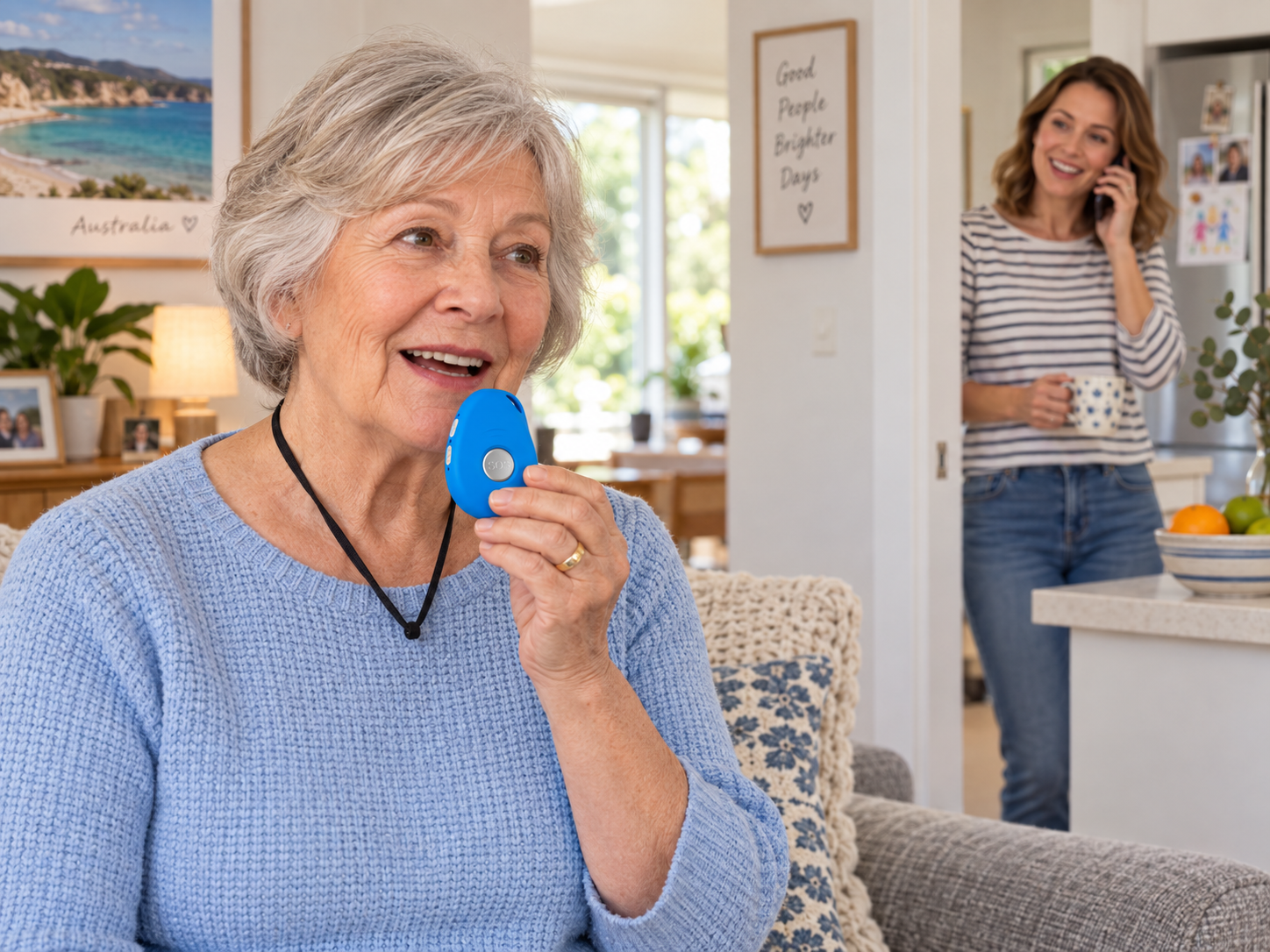
An alert may arrive perfectly, but that is not much comfort if the wearer and contact struggle to hear one another. Put the personal alarm where it would normally be worn, begin a planned SOS test and ask the wearer to speak naturally rather than holding the device right against their mouth. The family contact should listen for voice clarity and volume, then speak back so the wearer can check the other direction too. It is also worth practising an incoming call. Our personal alarms have their own Australian phone number, so family members can call the device directly. The wearer can answer and end the call using the SOS button. For someone who is not confident with technology, doing this once or twice can make the alarm feel more familiar.
 5 Test the Charging Routine and Battery Indicators
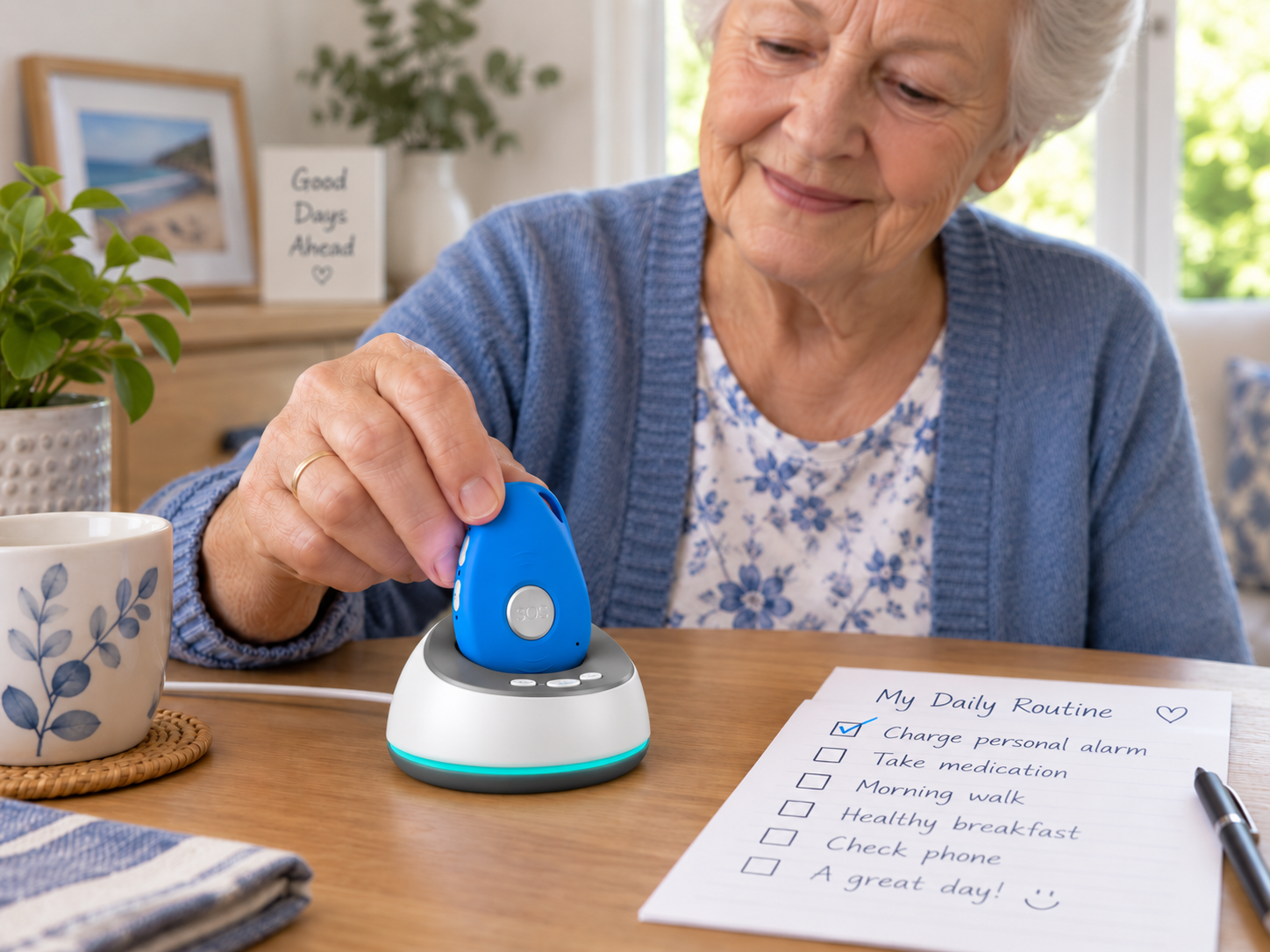
The last of these personal alarm tests sounds basic, but it is one families can easily overlook. A device cannot help if it is flat or sitting on the charger in another room when the wearer needs it. Check that the wearer knows where the charger stays, how the device sits correctly in the cradle and what the full charge indicator looks like. Charging needs vary by model, usage and signal strength, so follow the specific product guide rather than relying on a general rule. Some SureSafe models need charging daily, while others may last several days between charges. Tie the personal alarm battery routine to something familiar, such as breakfast or evening television, so it is less likely to be skipped.
 What About Testing Fall Detection
A fall detection alarm needs a different approach. Do not ask an older person to deliberately fall, drop to the floor or recreate a dangerous movement just to see whether the sensor activates. SureSafe Automatic fall detection is designed to detect certain serious falls and may not detect every type of fall. If someone falls and does not hear the device announce that the fall alert has activated, they should press SOS if they are able. We can also adjust fall detection sensitivity or disable the feature if needed. The safest approach is to follow the supplied user guide and contact SureSafe if you are unsure how a model should be checked. You can also review SureSafe’s fall detection alarm information for further guidance. Think of a fall detection alarm as an extra layer of support, not a promise that every fall will trigger automatically. Healthdirect guidance on falls in older people also recommends treating falls as part of a wider safety and health plan.
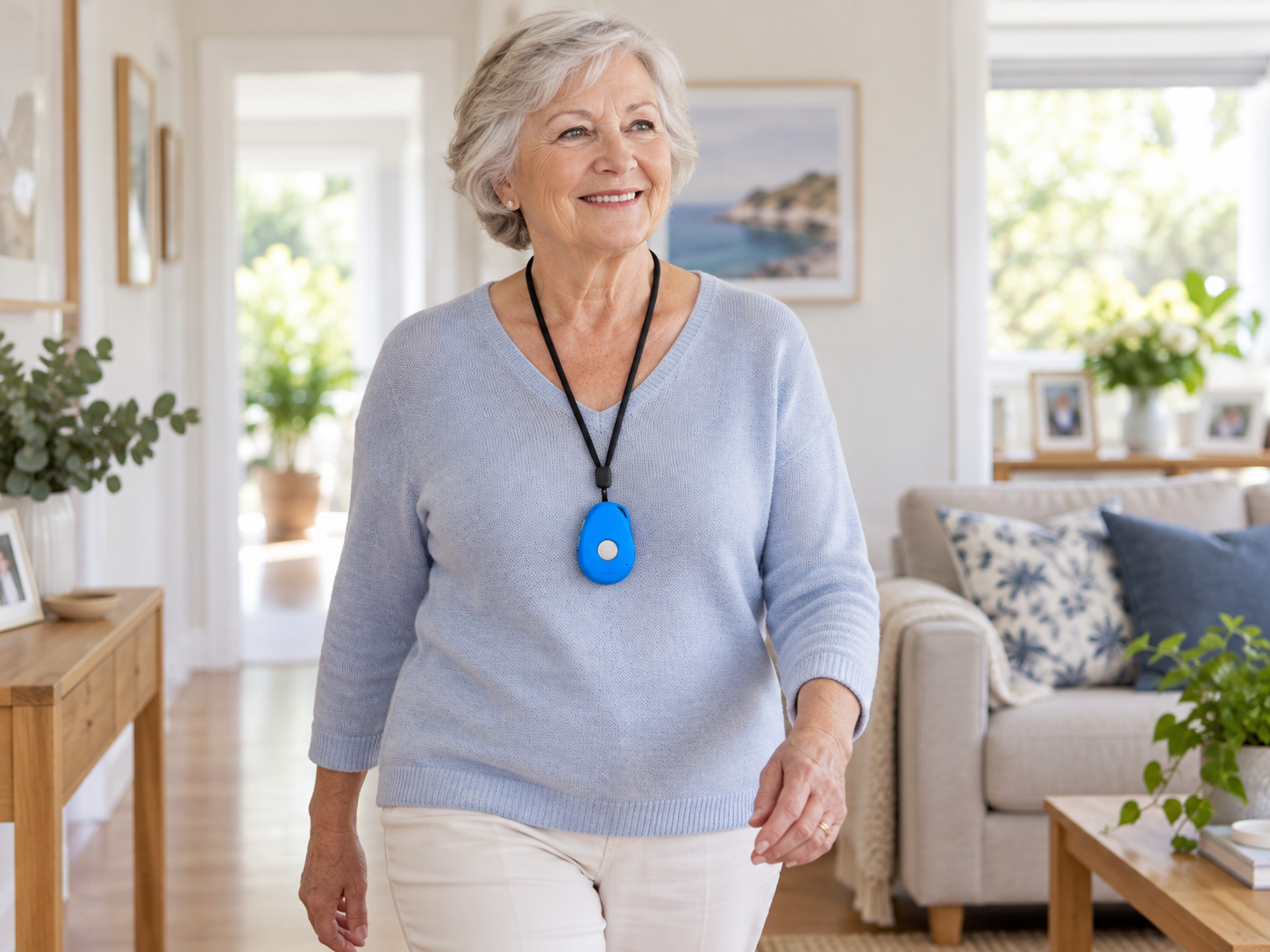 How Often Should Families Run Personal Alarm Tests
There is no need to turn personal alarm tests into a stressful weekly drill. A sensible starting point is to test the device after setup so everyone understands what happens, then repeat the process when something important changes. That could include changing emergency contacts, updating a phone number, changing settings, moving house or altering the wearer’s usual support arrangements. Families may also choose a recurring reminder that suits their circumstances. Keep each check calm and let the wearer do as much of it themselves as they comfortably can. The aim is not to make someone feel watched. It is to help them use their personal alarm with confidence while preserving the independence the device is meant to support.
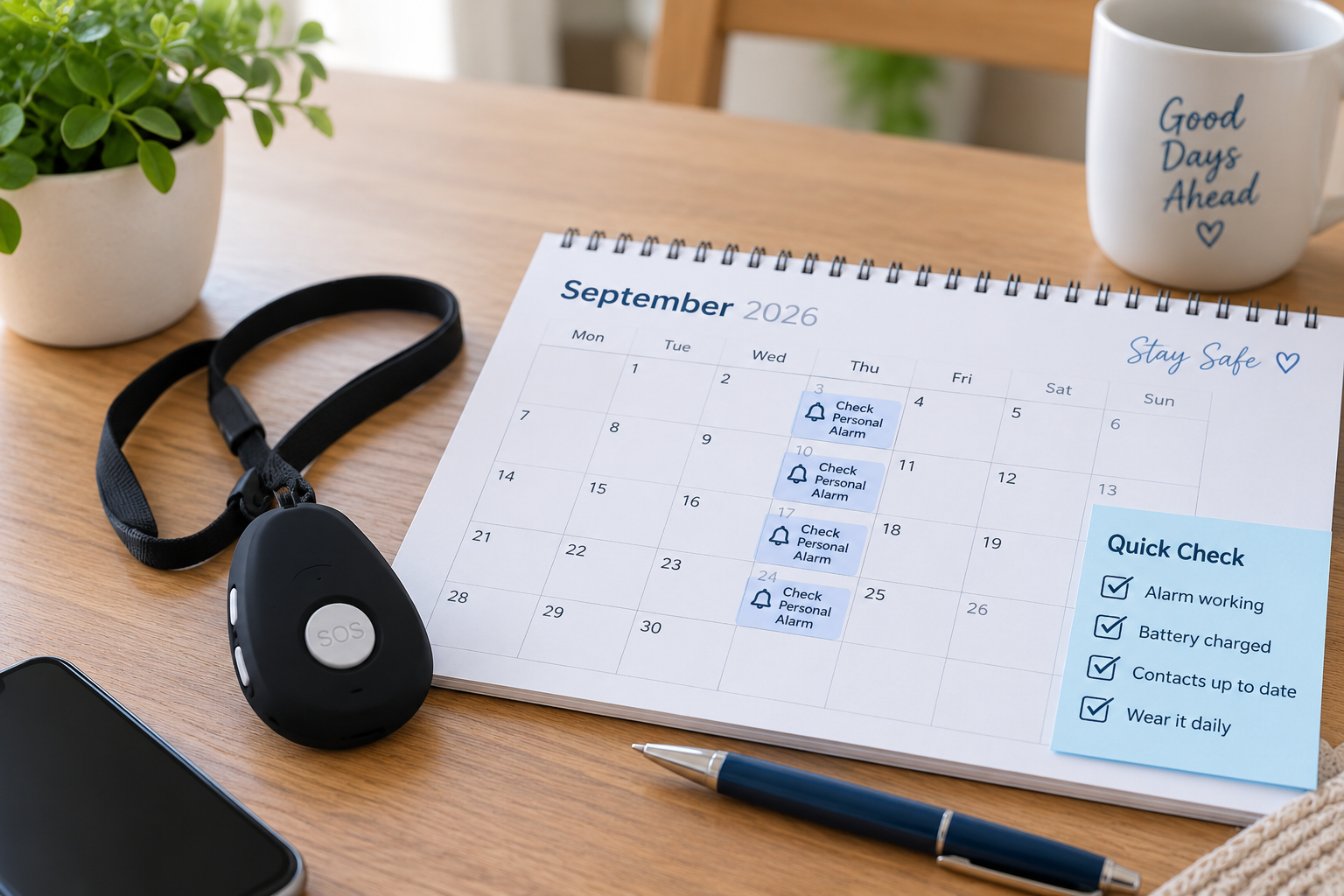 Make Sure Your Personal Alarm Is Ready When Needed
A personal alarm is there to support independence and give people a practical way to call for help, but real confidence comes from knowing how the whole setup works. Test the SOS sequence, confirm the emergency contacts, check GPS in normal locations, practise two way communication and keep the charging routine simple. Those five checks can uncover details that are easy to miss. If you use a SureSafe device and are unsure about a setting, charging indicator, contact arrangement or fall detection feature, check the product manual or speak with the SureSafe team instead of relying on guesswork. You can review the SureSafeGO 4GX personal medical alarm, visit the FAQ, download product manuals or contact an Independent Living Consultant on 1300 739 991 for practical help.
 Frequently Asked Questions
Can I Test a Personal Alarm Without Calling Emergency Services?
Yes, but first make sure you understand how your device is programmed. SureSafeGO devices can be set up around stored personal contacts, while we also offers 24/7 professional monitoring. Before a planned test, tell the people involved that an alert is coming so nobody mistakes it for a real emergency. If your device is connected to professional monitoring, contact the provider first and follow its testing procedure. Do not place a real 000 call merely to see whether emergency services answer. If you are unsure about the setup, read the relevant personal alarm user guide before starting. We provide downloadable product manuals and support for customers who need help with operation or maintenance.
What Should I Do if One Part of the Test Fails?
Treat a failed check as useful information. First work out which part did not behave as expected instead of repeatedly triggering the device. The issue could be an old number, weak mobile signal, a flat battery, a changed setting or simply a step that was misunderstood. Check the product guide, then correct the problem and test again in a controlled way. You can find our downloadable product manuals online or contact our team if you need help with setup, operation or maintenance. If the problem involves emergency contacts, GPS, charging or fall detection settings, confirm it has been resolved before relying on the alarm again. If an actual emergency happens while you are troubleshooting, use the normal emergency response for the situation, including calling 000 when urgent police, fire or ambulance help is required.
Why Is It Important to Test Your Personal Alarm?
Regular testing can help make sure the whole personal alarm setup is ready when it is needed. It can uncover outdated contacts, charging issues, weak mobile coverage or parts of the process the wearer or family may not fully understand. You might discover that the first contact rarely answers unknown numbers, the wearer cannot hear the speaker clearly in a noisy room, the charger has been unplugged or nobody recognises the GPS message when it arrives. Those issues are easier to fix during a planned check than during an emergency. Regular personal alarm tests also give the wearer practice, which matters. A device that feels familiar is easier to use with confidence. Even so, a personal alarm is only one part of safety. It should sit alongside suitable care, falls prevention, medical advice and a clear family response plan rather than replacing any of them.
