


5 Duress Alarm Response Gaps Employers Should Address Early
5 Duress Alarm Response Gaps Employers Should Address Early
A worker presses their alarm during an evening shift. The alert reaches a supervisor, but the supervisor is driving and cannot answer. The next contact is on leave. Someone eventually picks up, then discovers they do not know which entrance leads to the worker’s location.
This illustrative situation shows why purchasing a device is only part of preparing for an emergency. The response arrangements need to work during the shifts and tasks where workers need support.
At SureSafe, we help businesses explore personal alarm options for lone and higher risk workers. These five gaps give employers a practical starting point for reviewing the response pathway, from activation through to appropriate assistance.
TLDR
A duress alarm response can be delayed by unavailable contacts, poor mobile coverage, unclear location details, a device the worker cannot reach or an unpractised response plan. Review these five gaps with workers and arrange controlled tests as part of your workplace safety system.
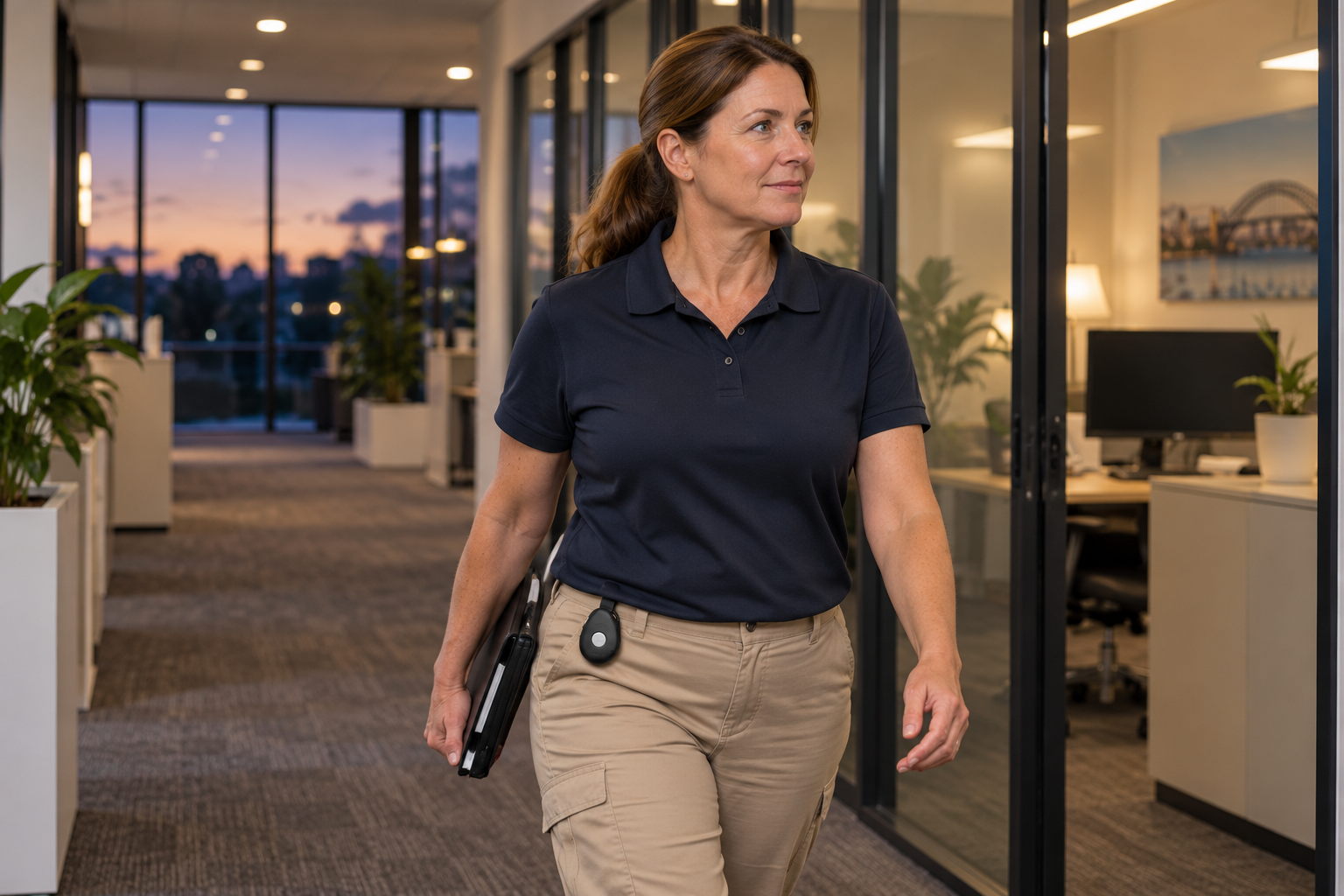
1. Who receives the duress alarm outside business hours?
The first gap is a contact list that works during office hours but leaves nobody clearly responsible overnight, on weekends or during leave.
A duress alarm can send an alert successfully while the person receiving it is unavailable. Adding several numbers helps only when those people understand their role and can respond during the worker’s actual hours.
Match contacts to the roster
For a device configured to contact nominated people, check who receives the alert first and what happens if that person does not answer. Consider a worker finishing late, starting before the office opens or visiting a client while their manager is in a meeting.
Our SureSafeGO ‘Anywhere’ 4GX alarm can send an SOS text with a location link to up to five emergency contacts and call stored numbers in sequence. Its two-way voice calling lets the worker explain the situation to the responder. Agree who owns the response rather than assuming somebody else will act.
Confirm the monitoring arrangement
We also offer optional 24/7 professional monitoring for personal alarms. Trained operators respond to activations and can contact appropriate people or emergency services according to the situation.
For workplace use, ask our team to confirm the available monitoring options, suitability for your workers and agreed escalation instructions. Professional monitoring should not be assumed to be included with every workplace alarm. Your business still needs accurate contacts and an emergency plan.
2. Can responders locate and reach the worker?
Responders need accurate location details and clear access instructions to find and reach the worker. Employers should confirm the site address, relevant building or room, entry point and any arrangements for contacting authorised security staff.
A location message may identify the general area without explaining how to enter the site or reach the worker. GPS should not be treated as a guaranteed room level location service.
Safe Work Australia’s guidance on remote and isolated work explains that isolation can arise from the location, time or nature of the job. A worker may therefore need additional support even in a populated area.
Check communication where the work happens
A mobile duress alarm relies on suitable network coverage. Check communication in the places where workers actually carry out their tasks, using a planned test agreed with the alarm provider and nominated contacts.
For example, an office reception test does not establish how a device will perform in a basement storeroom or another building on the property. If coverage is unsuitable, review alternative communication arrangements and whether the task should proceed under the existing controls.
Add practical access details
Confirm how responders would identify and reach the worker. A site address might need an entry gate reference, building name or instructions about contacting authorised security staff.
For visiting workers, keep relevant location information current through an agreed process. Share access details only with authorised people. Avoid treating GPS as a guaranteed room-level location service or a substitute for knowing where the job is taking place.

3. Can the worker reach and activate the alarm?
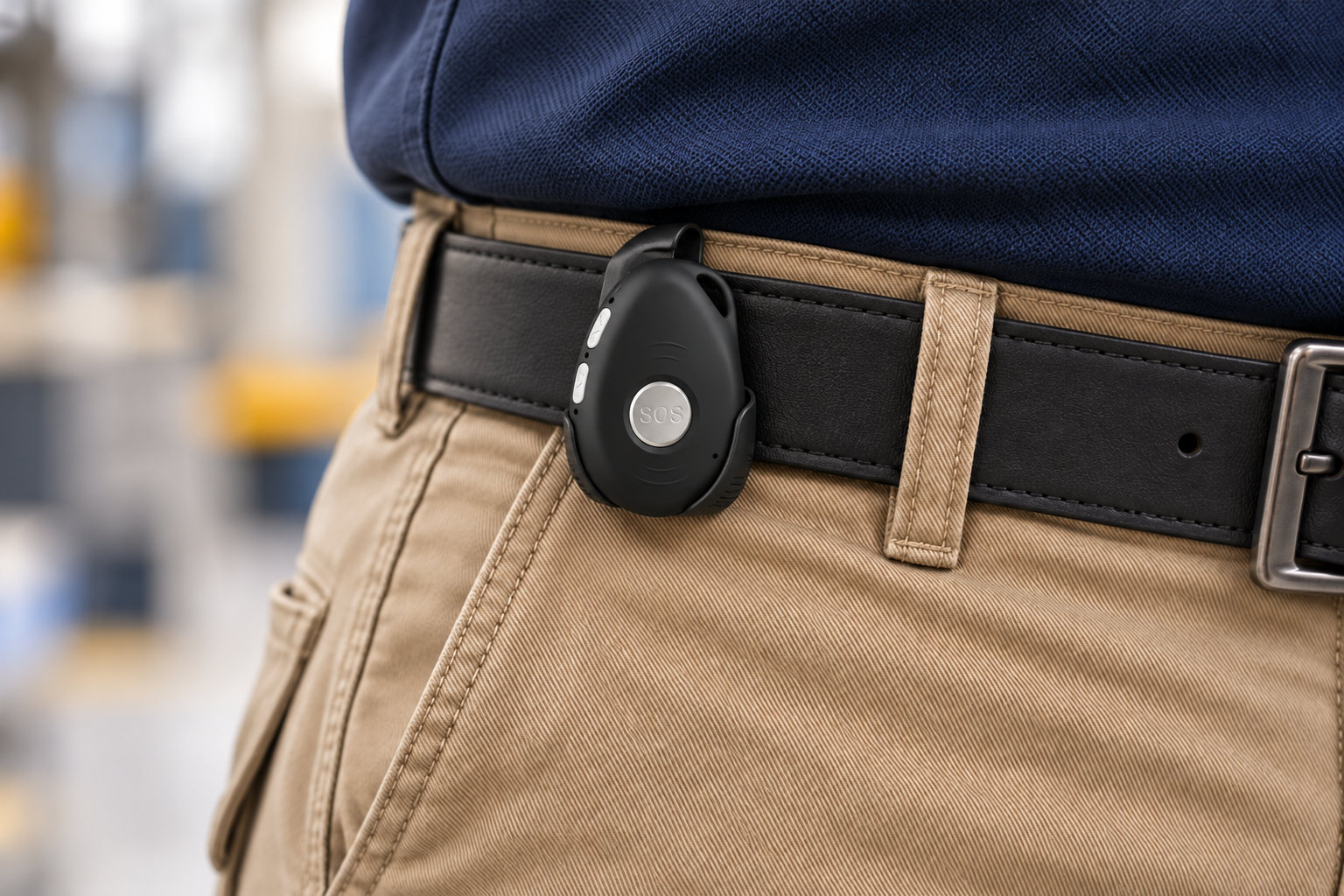
The third gap appears when a device is available in theory but difficult to use during the task. It might be left in a vehicle, covered by clothing or placed on a charger during the shift.
Ask the worker to demonstrate how they would reach the duress alarm while wearing their usual work clothing and protective equipment. Keep the demonstration safe and separate from any live hazard.
Choose a wearing option that suits the task
Our SureSafeGO ‘Anywhere’ 4GX includes a wristband, belt clip and lanyard. The appropriate option depends on the job, worker and risk assessment. A lanyard, for example, may be unsuitable around equipment where it could become caught.
Comfort matters because an awkward device is less likely to remain accessible throughout the day. Consult workers about their normal movements, clothing and any difficulty operating the button.
Understand what happens during activation
Our alarms are designed to be lightweight and suitable for discreet wearing and use. Discreet wearing does not necessarily mean silent activation. Confirm the selected device’s sounds, voice prompts and call behaviour with our team when assessing a role involving aggression.
Automatic fall detection also has limits. Our personal alarm FAQ explains that the feature is designed for certain serious falls. It may not activate for every fall, and workers should understand the manual SOS function. Do not assume a fall detector will recognise every medical event, threat or situation requiring assistance.
4. Does everyone know what to do after an alert?
The fourth gap is a response plan that stops at receiving the call. Someone answers but is unsure how to assess the situation, obtain assistance or hand over responsibility.
A duress alarm response plan should give nominated responders clear instructions appropriate to the workplace risks. The plan needs to address situations where the worker can speak and those where meaningful communication is not possible.
Set clear escalation responsibilities
Decide who coordinates the response and what information they need to pass on. Responders should know when urgent police, fire or ambulance assistance is required and how to provide the worker’s known location.
Avoid requiring a responder to personally enter a dangerous situation. Their role may be to contact emergency services, provide available information and coordinate with authorised site personnel. An unanswered call or unclear audio should have an agreed follow-up process rather than being dismissed.
Plan for access and handover
Use Safe Work Australia’s emergency plan template as a starting resource when reviewing the broader arrangements. Adapt the plan to the work rather than copying a generic procedure unchanged.
Consider how responsibility transfers if the first responder cannot continue, and how staff will know that someone is managing the incident. Document relevant actions through the workplace’s agreed reporting process. The aim is a response people can follow under pressure.
5. Has the response plan been practised and reviewed?
Practise the response plan before workers rely on it, then arrange controlled tests and reviews at agreed intervals. Review it whenever contacts, work locations or shift arrangements change, and after an incident or test reveals a problem.
An induction demonstration can become outdated as the team and work change. Contact numbers may no longer be correct, workers may move between sites and nominated responders may be unavailable during new shifts.
SafeWork NSW’s remote or isolated work guidance includes worker consultation, communication procedures and emergency training among the relevant considerations. Testing and review arrangements should reflect the hazards present and the selected alarm’s operating instructions.
Practise the full response pathway
Arrange a controlled duress alarm test with everyone involved. If professional monitoring is connected, contact the provider first and follow its procedure. Do not make a real emergency services call simply to test the system.
Check that the activation reaches the intended recipient, the location information is understood and the responder can follow the agreed next steps. Discuss what would happen if the worker could not speak. Never ask someone to fall deliberately to test a sensor.
Review changes before the next shift
Build checks into a routine suited to the device and workplace. Confirm charging arrangements and identify who reports damage, faults or missing equipment. Our downloadable product manuals provide model-specific operating information.
Include induction training for new workers and refresher sessions at suitable intervals. After an incident, debrief the people involved to identify what worked and what needs improvement. Review the response plan when contacts, locations or tasks change, and correct any issue exposed by testing before relying on the arrangement again.
What should employers check before the next shift?
Use this short review with the worker and designated responders. Record any unresolved issue and who will address it.
| Response gap | Practical check |
| Contact availability | Confirm the responsible recipient and backup for the shift |
| Coverage and location | Check communication and the details needed to reach the worker |
| Device access | Confirm safe wearing, charge and access to the SOS button |
| Escalation | Agree who coordinates assistance and how responsibility transfers |
| Training and review | Practise the process and update it when arrangements change |
Make the response plan part of your alarm choice
A useful duress alarm review follows the entire journey from pressing the button to reaching appropriate assistance. Check that a responder is available, the worker can use the device and the next steps are understood. Keep those arrangements current as the work changes.
If you are considering duress alarms for your workplace, we can explain our device options and discuss the available monitoring arrangements. Bring details of the roles, work locations and shifts so the conversation reflects how your team actually works.
Contact our team or call 1300 739 991 to discuss a SureSafe alarm for your workplace.
