7 Signs Your Elderly Parent Needs a Personal Alarm

Does your elderly parent need a personal alarm? It is a question many families ask when parents is still living independently, but small safety concerns are starting to add up. Maybe there has been a fall, a missed phone call, a dizzy spell, or a moment where you wondered what would happen if no one was nearby. A personal alarm gives an older person a simple way to call for help when they cannot reach the phone, speak clearly, or get up safely. It can also give families more peace of mind, because there is a clear plan in place before a serious scare happens.
TLDR
Your parent may need a personal alarm when everyday safety risks are becoming harder to ignore. This could be after a fall or near miss, when they live alone for long periods, forget or cannot reach their phone, feel unsteady during normal routines, or still go out alone without an easy way to call for help. The key sign is not age alone. It is whether they would be able to get help quickly if something went wrong while no one was nearby.

Why a Personal Alarm Matters Early
Many families only look at a personal alarm after a serious incident, and that is understandable. Still, safety planning works better when it happens early and calmly. The Australian Institute of Health and Welfare falls data reports that falls are the leading cause of injury hospitalisation and injury death in Australia, which is why fall risk deserves practical attention. A personal alarm will not prevent every accident, but it can shorten the time between something going wrong and someone knowing help is needed.
1. They have had a fall or a near miss
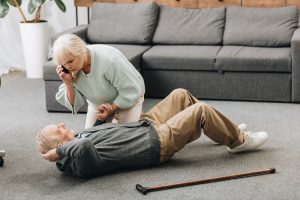
One fall can change how everyone feels at home, even when your parent says they are fine and wants the conversation to move on. Near misses matter too. Maybe they grabbed the kitchen bench to steady themselves, tripped while bringing in the bins, slipped in the bathroom, or stopped using the back steps. These small moments are easy to explain away, but they often show that a safer plan is needed. A personal alarm with fall detection may help if your elderly parent lives alone, showers alone, gardens alone, or spends long periods without someone nearby.
2. They live alone or spend long stretches by themselves
Living alone does not mean your parent is unsafe. Many older Australians are happier, more confident and more settled when they can stay in their own home, with their own routines and privacy. A personal alarm gives them a direct way to ask for help without needing to reach a wall phone, find a mobile, or remember who to call first. If your elderly parent cooks alone, showers alone, naps for long periods, takes bins out, or walks around the garden without company, an emergency button can be a steady backup.
3. They forget their phone or cannot use it quickly
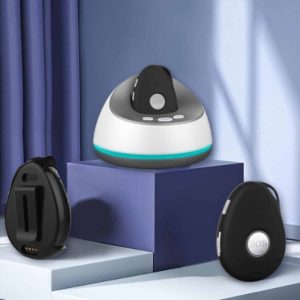
A mobile phone is useful, but it is not always a reliable emergency plan. Phones go flat, sit in another room, lock at the wrong moment, or become hard to use when someone is shaken. If your parent often forgets their phone, struggles with touchscreens, or takes too long to find the right contact, a medical alarm may be easier in a stressful moment. Many personal alarms are designed around one clear SOS button, two way communication and alerts to nominated contacts. The SureSafeGO Anywhere 4GX personal medical alarm supports GPS location, call alerts, text alerts and two way communication.
4. They are becoming less steady with daily routines
Small changes in routine can tell you a lot. Your parent might avoid the laundry because one step feels awkward, leave shopping bags at the door because carrying them in feels too much, or sit down halfway through tasks they used to finish without thinking. You might also notice slower walking, shuffling, dizziness, medication side effects, weaker grip, or nervousness around stairs. None of this means they cannot live independently. It simply means the safety plan should match what daily life looks like now. A personal alarm is not about taking over. It is about making sure help is easier to reach if a normal task suddenly becomes difficult.
5. They still go out but you worry about where they are
A GPS personal alarm can be useful for parents who still enjoy walks, shopping, appointments, community groups, church, bowls, or visiting neighbours. Independence should not shrink only because family members feel nervous. A mobile alarm with GPS can help nominated contacts locate the person when an alert is triggered, which is different from calling around and hoping someone has seen them. It can be especially helpful when an older person is active but has a medical condition, balance issue, mild memory concern, or a habit of leaving the phone at home. The point is to make sure help can find them.
6. You are getting more anxious checking in on them
Sometimes the sign is not only what your parent is doing. It is what you are doing. You might call twice a day, worry when they do not answer, drive past after work to check the lights are on, or ask neighbours to keep an eye out. That worry is tiring, and it can put pressure on your relationship too. A personal alarm can give everyone clearer roles. Your parent keeps their space, while you know there is a process if they need urgent help. For families who cannot always answer immediately, 24/7 monitoring may suit better than relying only on relatives or friends.
7. They receive care or NDIS support
If your parent receives formal support, a personal alarm may fit into a broader independence and safety plan. This can include people with disability, people recovering from illness, people with mobility limits, or people who need help reducing risk while staying connected to the community. The NDIS assistive technology guidance explains assistive technology as equipment or supports that may help participants do things they cannot otherwise do, or make daily tasks easier and safer. SureSafe also provides information about NDIS personal alarms and smart watches for participants and support coordinators considering safety devices as part of daily living support.
Choosing the right SureSafe personal alarm
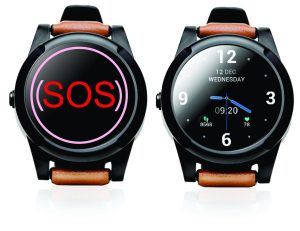
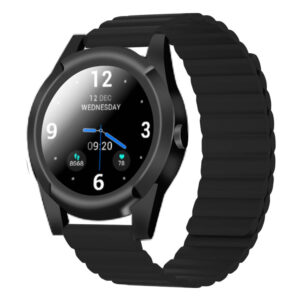
The right device depends on how your parent lives each day, not just which product looks neatest online. Someone who mostly stays at home may prefer a simple pendant or home based setup, while an active person may need a mobile option that works outside the house. SureSafe offers personal alarms for different needs, including pendant style alarms, the SureSafeGO 4GX Anywhere alarm, smartwatch options, family monitored alerts and 24/7 monitoring. That flexibility matters because some families want relatives alerted first, while others need monitoring when family members are working, travelling, asleep, or unable to answer quickly.
How to talk about a personal alarm
This conversation can feel uncomfortable if it starts with “you need this because you are getting old”. A better approach is to talk about the alarm as a tool for freedom, not a warning sign. You might say, “I know you want to keep doing things your way, and this could make that easier for all of us”. Let your parent choose the style where possible, whether that is a pendant, watch, or another device from the personal alarm product range. When people feel included in the decision, they are usually more willing to wear it consistently. That matters, because the best device is the one they will actually use.

What features should you compare
Not every alarm suits every parent, so it helps to compare features against real habits, not just the product photo. A parent who mostly stays home may need something different from a parent who walks daily or catches taxis to appointments. A person with fall risk may need fall detection, while someone with memory changes may need GPS support. A family who lives close by may prefer family monitored alerts. Use this as a starting point. Falls or balance concerns may need fall detection. Time outside the home may need GPS. Family gaps may need monitored support.

Ready to choose a safer option for your parent
Choosing a personal alarm can feel like a big step, but it does not have to feel dramatic. In many families, it becomes one of those practical decisions that makes daily life calmer for everyone. Your parent still gets independence, privacy and routine. You get a clearer plan if something goes wrong. And if there is a fall, sudden health problem, disorientation, or moment of panic, help is easier to reach. If these 7 signs sound familiar, it may be time to compare SureSafe personal alarms, ask questions and choose a device that suits your parent’s real life. Visit Personal Alarms Australia or contact SureSafe today for practical advice.
FAQs about personal alarms for elderly parents
Does a personal alarm mean they cannot live alone?
No, and this is one of the biggest worries families have. A personal alarm often supports independent living rather than replacing it. Many older Australians consider these devices because they want to stay active, keep their routine, and feel more confident doing everyday things. It can sit quietly in the background while your parent keeps making tea, walking outside, feeding the dog, chatting with neighbours and doing life their way. Used well, it supports choice instead of control. Framing it like that usually makes the whole conversation feel less heavy, because the focus stays on dignity, confidence and staying at home.
What type of personal alarm is best for an older parent?
The best personal alarm is the one your parent can use comfortably and will actually wear. A pendant style alarm may suit someone who wants a simple SOS button, while a smartwatch alarm may suit someone who likes a wrist worn device and is comfortable with a little more functionality. If your parent leaves home often, look at mobile options with GPS. If they have balance concerns, compare fall detection features. If family members cannot always respond, ask about monitored options. SureSafe’s range gives families a practical place to compare devices based on real routines, not guesswork.
Can NDIS funding help with personal alarms?
It may be possible in some situations, but it depends on the person, their plan and their support needs. The official NDIS assistive technology guidance explains how equipment and supports can help participants with daily tasks, safety and independence. If a personal alarm relates clearly to disability support needs, independence, community access or risk management, it may be worth discussing during planning rather than after an incident, when everyone feels rushed and decisions become harder than they need to be.