Is It Too Early (or Too Late) to Get a Personal Alarm

TLDR
Most families wait longer than they need to, usually until something goes wrong. If you’ve been putting off the conversation because it feels too soon, it probably isn’t. Here is how to work out where your parent sits and what to do next.
There’s usually a moment that makes it real.
Maybe your parent didn’t answer the phone for a few hours and your mind went straight to the worst. Or they mentioned, almost in passing, that they’d had a bit of a stumble last week but were “totally fine.”
These moments tend to stick. And yet, most adult children wait, because raising the idea of a personal alarm feels like a conversation nobody is quite ready to have.
Getting a personal alarm is what allows a parent to keep living independently, on their own terms, for longer. The question worth asking isn’t about capability. It’s about timing. Here is how to work out whether now is the right time.
A Fall Has Already Happened

A fall that didn’t result in serious injury can be just as telling as one that did. 1 in 4 Australians aged 65 and over have at least one fall per year, and a first fall significantly increases the likelihood of another. The danger isn’t just the fall itself. It’s being on the floor, unable to reach a phone, for hours at a time.
If your parent has mentioned a stumble, or if you’ve noticed unexplained bruises, it’s worth looking at a device with automatic fall detection. The SureSafeGO ‘Anywhere’ Alarm senses a fall and automatically alerts up to five emergency contacts with your parent’s GPS location, even if they can’t press a button.
They’re Spending More Time Alone Than Before

Many older Australians spend long stretches of time without anyone nearby, whether that’s because of geography, a change in circumstances, or simply the natural shift that comes with age. A few hours alone occasionally is manageable. Regular extended solitude, particularly overnight, is where the risk starts to grow.
A personal alarm means that if something goes wrong during those hours, help is still within reach, wherever your parent happens to be.
Something Small Has Caught You Off Guard
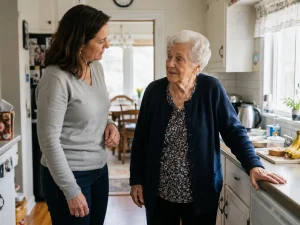
It’s rarely one big thing. More often it’s something small that stops you mid-visit. Your parent holding onto the kitchen bench as they move around. Taking the stairs more slowly than you remember. Mentioning they’ve been staying closer to home lately.
Physical confidence changes gradually, and so does the risk that comes with it. A personal alarm means that if something does happen between visits, your parent has a way to get help quickly.
A Health Condition Is Making Daily Life Less Predictable
Some health conditions make everyday life less predictable. A heart condition, Parkinson’s, or even the side effects of common medications can affect balance and alertness in ways that aren’t always obvious until something goes wrong.
If your parent has a diagnosis that puts them at higher risk of a sudden medical event, a medical alert device means help is reachable the moment something feels off, not after they’ve managed to find their phone.
They’ve Started Pulling Back From Things They Used to Do
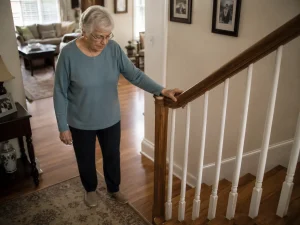
If your parent has quietly stopped doing things they used to do without thinking, it’s worth asking why. Not every change is physical. Sometimes an older person starts avoiding the shower, skipping their morning walk, or staying on one level of the house simply because the thought of falling alone is enough to put them off.
A personal alarm with fall detection addresses that fear at its source. If help is alerted automatically when a fall happens, your parent doesn’t have to weigh up whether a walk or a shower is worth the risk.
They’d Rather Struggle Quietly Than Ask for Help
Most would rather manage a worrying symptom quietly than be the reason their family spends the afternoon anxious.
A personal alarm means they don’t have to make that call. If something happens, emergency contacts are alerted automatically, without your parent having to decide whether it’s worth worrying anyone about.
The Right Time Is Usually Before You Think It Is
Taking that step sooner rather than later is what gives a parent the best chance of staying in their own home, doing things their way. If any of this feels familiar, it may be time to have a look at what’s available.
Browse SureSafe personal alarms or call the team on 1300 739 991 if you’d like help choosing the right device for your parent’s situation.
Frequently Asked Questions
At What Age Should an Elderly Parent Get a Personal Alarm?
There’s no fixed age. It depends far more on circumstances than on a number. Someone in their late 60s who lives alone and has had a recent fall is a stronger candidate than a healthy and active 78-year-old living with family. The signs covered above are a more reliable guide than age alone.
What If My Parent Refuses to Wear a Personal Alarm?
Resistance usually comes from not wanting to feel old or dependent. A good starting point is choosing a device that doesn’t look like a medical device. The SureSafeGO PLUS 4GX SmartWatch looks and functions like a regular watch, which tends to make that conversation easier. Framing it around their independence rather than their safety tends to land better with a parent who values doing things on their own terms.
Can a Personal Alarm Work If My Parent Falls and Can’t Press the Button?
Yes. SureSafe’s fall detection alarms use built-in sensors to automatically detect a fall and alert emergency contacts, even if your parent is unconscious or unable to reach the button. Not every device on the market has this feature, so it’s worth confirming before you buy.
Can a Personal Alarm Be Covered by NDIS or a Home Care Package?
In many cases, yes. SureSafe is an NDIS-approved supplier and personal alarms can fall under Assistive Technology or Consumables funding depending on your parent’s plan. The NDIS page has more detail on eligibility, or you can call the team on 1300 739 991 for guidance.