


5 Personal Alarm Mistakes Families Make Before It’s Too Late
5 Personal Alarm mistakes families often make too late is less about blame and more about timing. Most families are trying to do the right thing. They want loved ones to stay independent, safe and comfortable at home, but they also do not want to rush them into something they are not ready to use. So the decision gets pushed back. Then a small problem becomes a stressful one. A personal alarm gives families the most confidence when it is chosen early, set up properly and worn every day, so it becomes a simple part of staying safe and independent at home.
SureSafe personal alarms also do not require a landline, with devices running on a 4GX SIM for simpler setup at home or on the go.
TLDR
The biggest personal alarm mistakes families make are not always about buying the wrong device. Often, the real issue is not planning how the alarm will be used. Families may focus only on price, leave a loved one out of the decision, forget to test the alarm, overlook who answers alerts, or choose a device that does not suit everyday routines. SureSafe offers personal alarms for different needs, including smartwatch alarms, the SureSafeGO ‘Anywhere’ pendant with GPS, fall detection options and 24/7 monitoring. The best choice is the one that fits the person’s real life. Devices run on a 4GX SIM and do not need a landline, making setup simpler for families. The best choice is the one that fits the person’s real life.

Mistake 1 Buying on price before understanding the risk
It is completely normal to compare prices first, especially when families are already juggling care costs, appointments, transport and home support. The trouble starts when price becomes the only filter. A cheaper alarm may still be suitable for some people, but only if it matches the risk. An older person who stays mostly at home may need a different setup from someone who walks alone, has had dizzy spells, lives with a medical condition, or may need GPS location support. A personal alarm should be chosen around the role it needs to play in an emergency plan. Start with the real concern first, then match the device to that situation.
Mistake 2 Choosing the alarm without the loved ones input
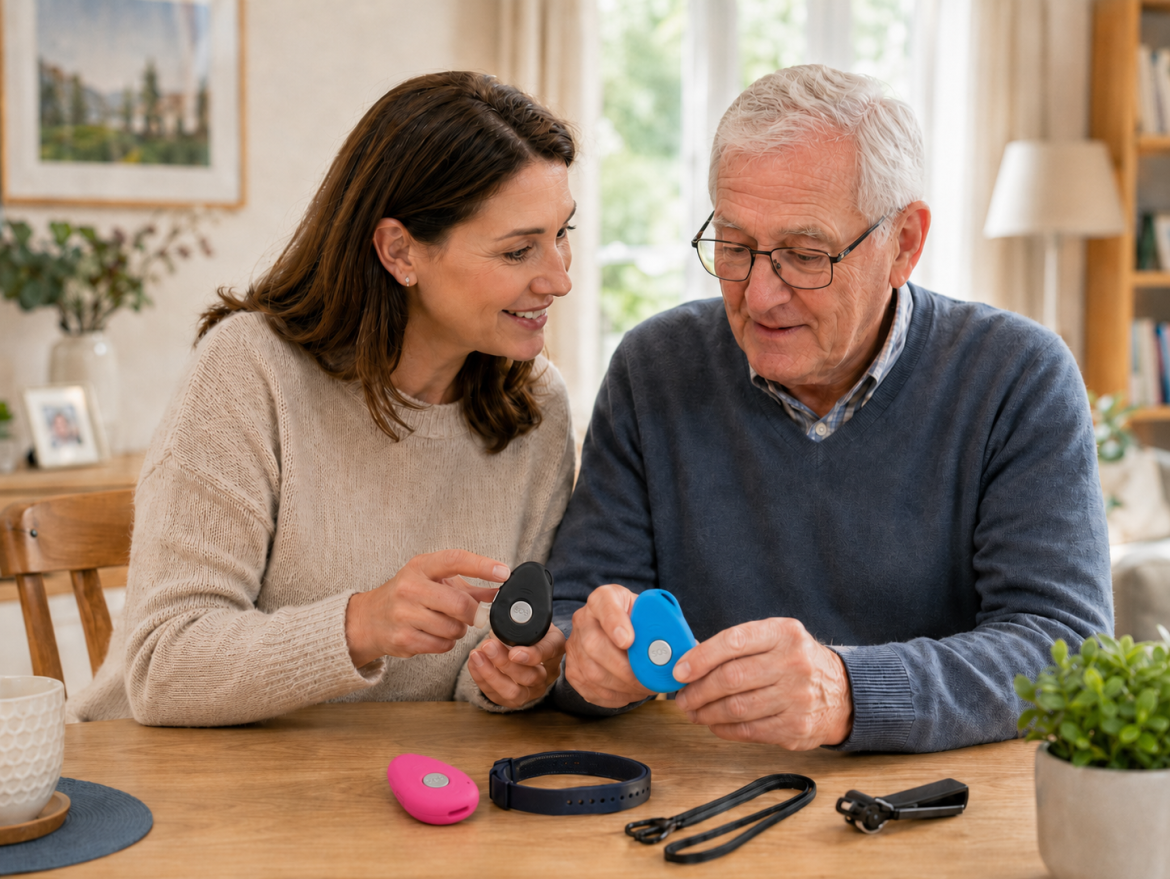
This one happens with good intentions. A loved one or carer sees the risk, orders a device and hopes their loved one will wear it. Then the alarm ends up in a drawer because it feels uncomfortable, embarrassing, too bulky, too confusing or simply not like something they chose. If your loved one is able to be part of the decision, involve them early. Ask whether they would prefer a pendant, a watch style option, or a device they can carry when leaving home. Show them the SureSafe personal alarms range and let them compare what feels practical. People are far more likely to use safety tools when they feel respected, not managed.
Mistake 3 Not deciding who will answer the alert
Pressing the SOS button is only one part of the plan. The next question is who answers, how quickly they can respond and what they should do. Some families assume someone will always pick up, but life gets in the way. Phones go silent during meetings. Relatives travel. People sleep heavily. Reception drops out. If family members cannot reliably answer emergency alerts at any hour, 24/7 monitoring may be worth considering. A monitored option can give families extra support when no one is available straight away. Before choosing a personal alarm, write down the response chain so everyone understands their role.
Mistake 4 Assuming fall detection means every fall will be detected
Fall detection can be helpful, but it should be understood properly. No automatic system can promise to detect every fall in every situation. A slow slide from a chair, a soft fall onto carpet, or a movement pattern that does not trigger the sensor may not work the same as a sudden hard fall. That does not mean fall detection is not worth considering. It simply means families should read the product details, test the alarm where appropriate and still encourage the person to press the SOS button if they can. The safest mindset is to treat fall detection alarms as an extra layer of support, not the whole plan.
Mistake 5 Buying the alarm but not building the habit
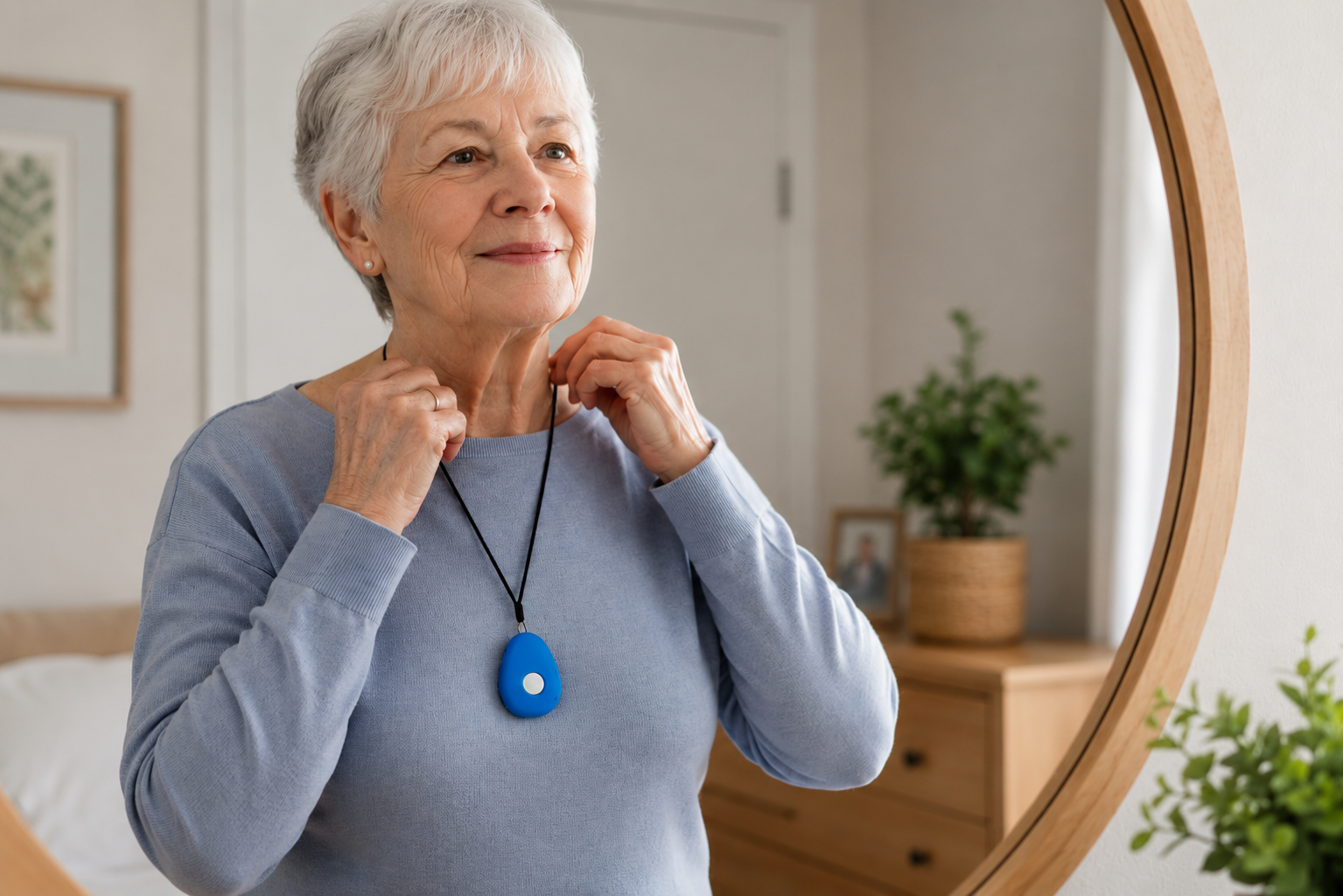
This is the quiet mistake many families do not notice until later. The alarm is purchased, the box is opened, everyone feels better for a day, and then the device sits on the bedside table. A personal alarm only works as a safety tool if it becomes part of daily life. Your loved one needs to know when to wear it, how to charge it, what happens when they press the button and who will be contacted. It helps to test the device, practise the conversation and choose a comfortable wearing style. The goal is not to nag. It is to make wearing the alarm feel as normal as taking keys, glasses or a wallet.
How SureSafe personal alarms help families choose better
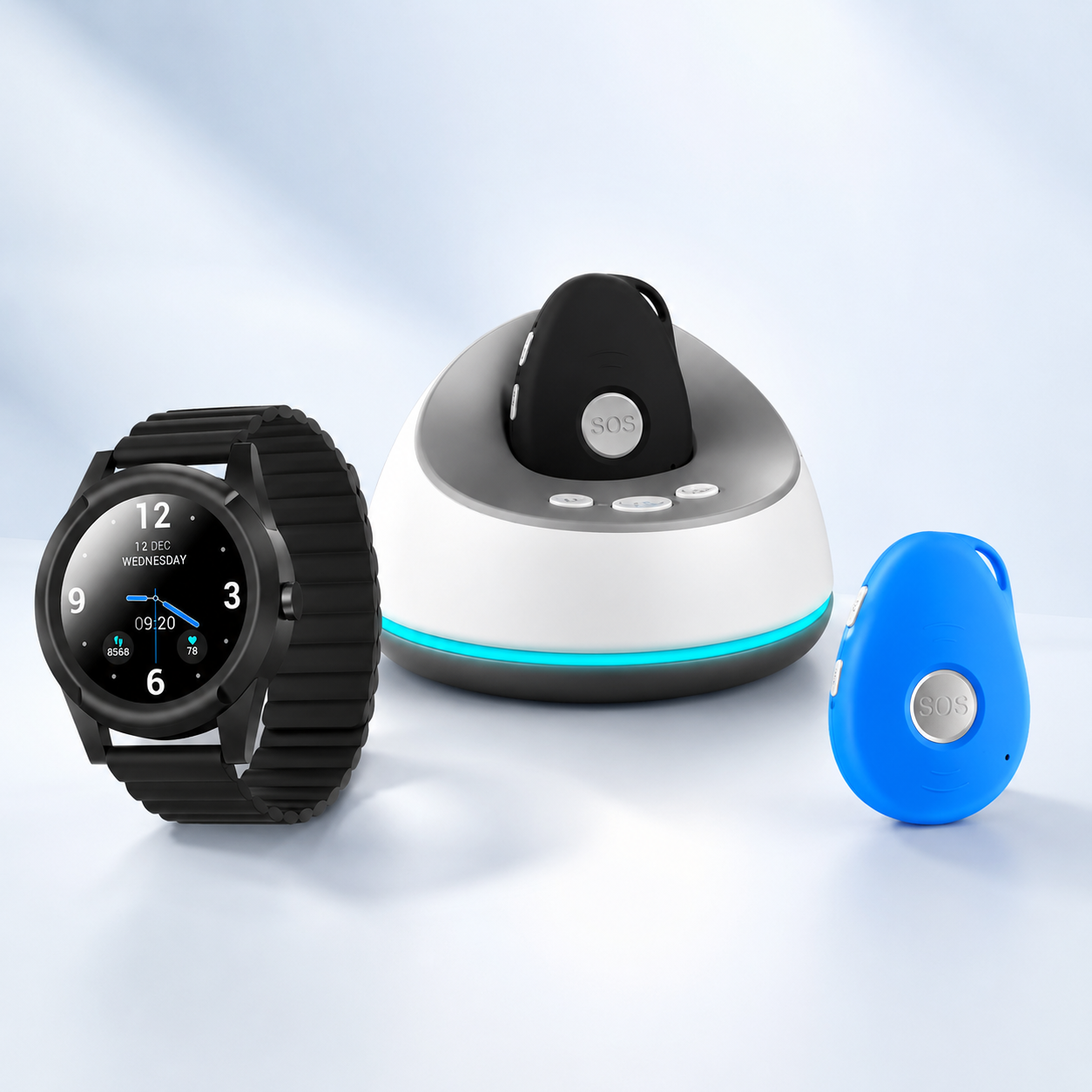
SureSafe gives families several ways to match a device to a real situation, rather than choosing based on guesswork. The personal alarm products include options for people who mainly need home based support, people who leave the house, people who may benefit from GPS location, people who want a watch style device and families considering monitored support. The range can also be compared by features such as two way communication, call and text alerts, GPS, automatic fall detection and portability. That flexibility matters because a confident 72 year old who walks daily may need a different setup from an 88 year old who mostly stays home.
A practical family checklist before buying
Before you buy, sit down for ten minutes and answer a few plain questions. Does your loved one spend time alone every day? Do they shower or garden without someone nearby? Have they had a fall, near miss or dizzy spell? Do they leave home alone? Can they manage charging? Will they wear a pendant, or would a watch style alarm feel more natural? Who answers the alert at 2 am? Would 24/7 monitoring reduce pressure on the family? These questions make the choice less emotional and more practical. They also help your loved one see the alarm as a support for independence, not a sign that control is being taken away.
If your loved one mostly stays at home
A SureSafe no-landline home alarm is likely the right fit, simple to use, no complicated features, and easy to wear every day. Most loved ones are comfortable with this option once they try it.
If your loved one leaves the house alone
The SureSafeGO ‘Anywhere’ pendant or the SureSafeGO PLUS SmartWatch gives protection beyond the home. Show your loved one both options and many prefer the watch because it feels familiar.
If your family can’t always answer the phone
Adding 24/7 monitoring means someone is always there to respond. It also takes the pressure off your loved one feeling like a burden when they press the button.
Choose the right personal alarm before pressure takes over
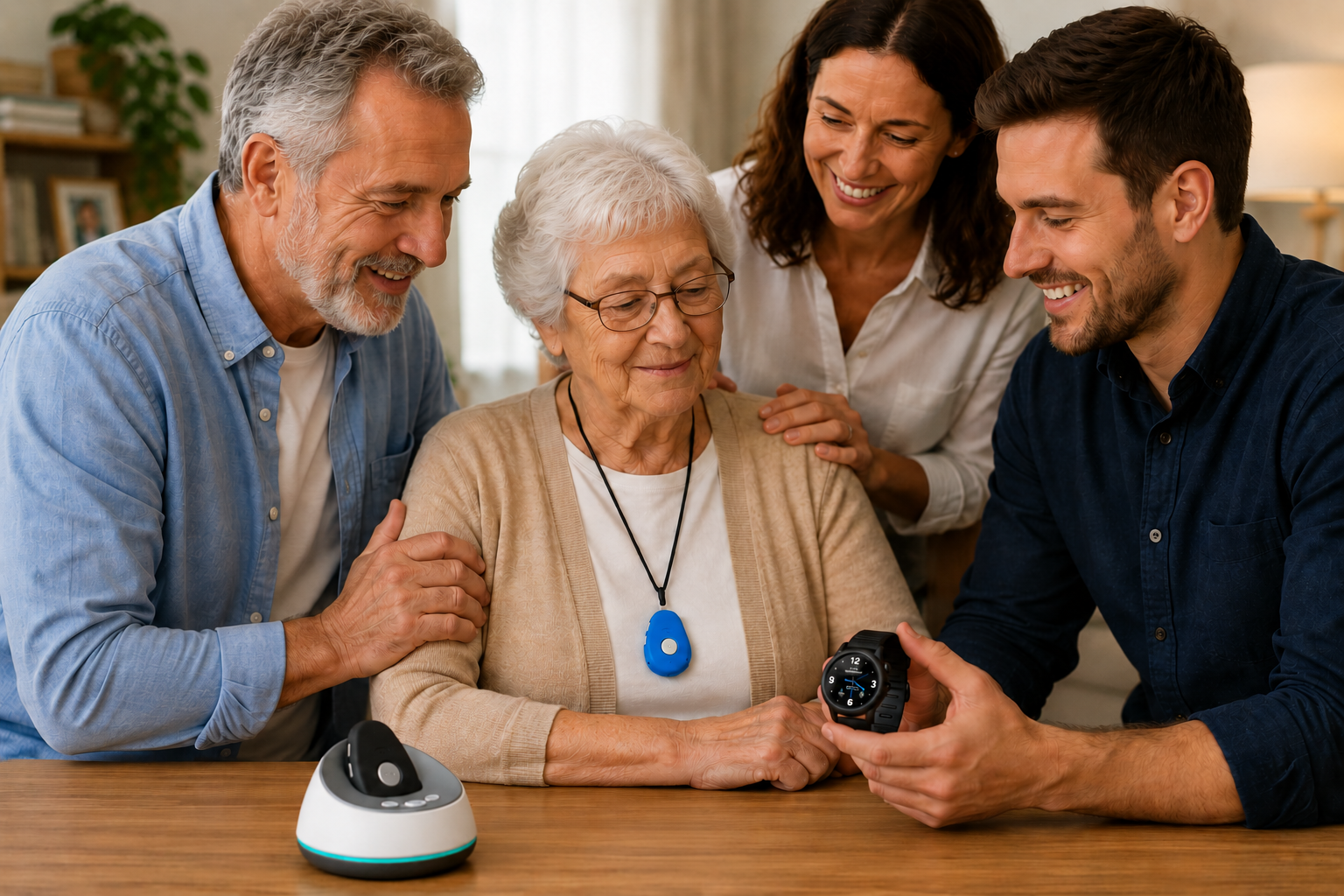
The best time to choose a personal alarm is before everyone is tired, worried and reacting to an emergency. A calm decision gives your loved one more say, gives the family time to compare options and makes it easier to set up the device properly. SureSafe offers personal alarms for different lifestyles, including smartwatch alarms, the SureSafeGO ‘Anywhere’ pendant with GPS, fall detection options and 24/7 monitoring. Browse, compare and buy above, or contact the SureSafe team for practical help choosing the right alarm for your loved ones routine.
FAQs
What is the most common mistake families make?
The most common mistake is waiting until after a serious scare before making a decision. Families often mean well. They do not want to make their loved one feel old or vulnerable, and they may hope the risk is not that serious yet. The problem is that a fall, fainting episode or missed emergency call can happen before everyone feels ready. Talking about a personal alarm early gives your loved one ore control over the choice. It also allows time to compare devices, test the setup and agree on what should happen when an alert is sent.
Is a smartwatch or pendant personal alarm better
Neither option is automatically better. The better choice is the one your loved one will wear consistently and use confidently. A pendant may suit someone who wants a simple button and does not want extra features on their wrist. A smartwatch style alarm may suit someone who prefers a familiar watch format or does not like wearing something around their neck. Comfort, eyesight, hand strength, charging habits and daily clothing all matter. The best way to compare personal alarms is to think about the person’s normal day, then choose the device that fits into it with the least friction.
Can a personal alarm help if my loved one is on the NDIS?
It may be relevant, depending on the person’s plan, needs and goals. The NDIS assistive technology guidance explains that assistive technology can help participants do things they cannot otherwise do, or make daily tasks safer and easier. If a personal alarm supports safety, independence, community access or daily living needs, it may be worth discussing with a support coordinator, plan manager or provider before purchase. SureSafe also provides information about NDIS personal alarms and smart watches, which can help families and coordinators start the right conversation.
